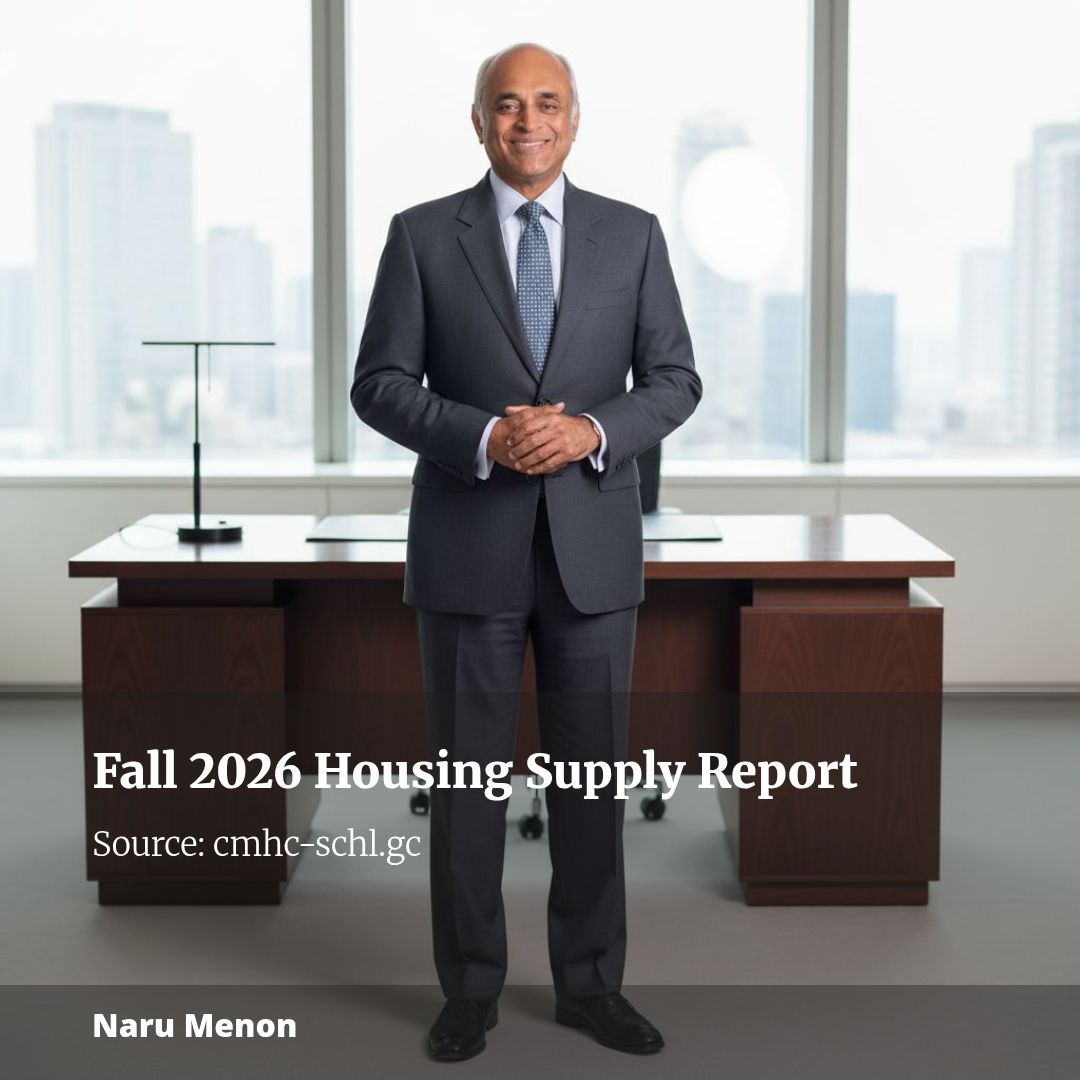
Author: Naru Menon

  • August Home Sales Remain Resilient Amid Economic Challenges

    August Home Sales Remain Resilient Amid Economic Challenges

    August saw Canadian home sales decrease by 6.9% compared to last year, while the average price nudged up slightly by 0.6% to $668,219. With both new listings and inventory increasing, it’s clear that economic pressures and rising mortgage rates are starting to influence the market—signs that could shape what’s ahead, especially as we look toward 2027. Staying on top of these shifts is key to making informed real estate decisions. I make it a priority to keep my clients updated with regular market analysis and honest insights, ensuring you’re confident at every step—whether you’re considering a move, an investment, or just want to understand how these numbers might affect your next renovation or sale. As always, my aim is to see you smiling at the end of every deal, and to help you navigate these changes with clarity and care.


    Continue to full article

  • Happy Thanksgiving

    The perfect opportunity to embrace your inner "foodie" and unbutton your pants at the dinner table!In Canada, post-Thanksgiving is all about creative cranberry sauce solutions. Cranberry sauce pancakes, anyone?It's that time when multiple ovens are a blessing. Turkey, pies, casseroles – less stress!

  • Home affordability improves in most Canadian markets

    Home affordability improves in most Canadian markets

    August brought some positive news for home seekers—home prices declined in most major Canadian cities, making properties more affordable in 10 out of 13 markets. Toronto led the way with the biggest improvement in affordability, while Halifax, Ottawa, and Fredericton experienced the opposite trend. With fixed mortgage rates now at 4.24%, it’s essential to weigh both the benefits and the challenges when considering a move or investment. I regularly analyze these shifts to help my clients understand how changing prices and rates affect their options. Whether you’re curious about what your home is worth or want to make sense of the current market, I’m always ready to share insights and practical advice to guide your decisions. My focus is on ensuring you have the information you need—before, during, and after any real estate move.

    Continue to full article

  • Canada housing affordability and market trends

    Canada housing affordability and market trends

    Navigating the Canadian housing market requires more insight than ever. The recent pandemic-driven surge in home prices, paired with persistent inflation, has made home buying a real challenge for many. The Bank of Canada’s response—raising rates sharply, then cutting them nine times to the current 2.25%—has brought some shifts, but with inflation hovering at 3% and fixed mortgage rates still volatile (some dipping under 4%), the landscape keeps changing. As someone who specializes in guiding clients through Metro Vancouver’s neighborhoods, I make it my mission to keep you updated on every market movement. Whether you’re evaluating your home’s value, considering a renovation, or simply want clear investment advice, I’m here to help you understand the nuances that make a difference in today’s market. Your peace of mind—before, during, and after every transaction—will always be my top priority.

    Continue to full article

  • Canada Needs Twice the Projected Homes

    The conversation around housing supply in Canada has reached a new level of urgency. The national housing agency now estimates we’ll need between 417,000 and 469,000 new homes each year, all the way through 2036, just to return to the kind of affordability we had before the pandemic. This is a striking figure—especially when we consider that current construction projections fall far short, leaving us facing an annual shortfall of 187,000 to 238,000 homes over the next decade.

    As someone who monitors real estate trends closely and is always ready with a fresh market analysis, I can tell you that this gap is not just a statistic. It’s a real challenge for families, investors, and communities, especially here in Metro Vancouver and the Fraser Valley. Construction is expected to slow even as demand remains strong, making it tougher for buyers and investors to find opportunities that fit their needs and budgets.

    Bridging this supply gap will require a significant ramp-up in building—much more than what’s currently underway or planned. For those considering investing or making a move, understanding these market dynamics is crucial. I’m committed to keeping my clients informed and prepared, drawing on up-to-date insights and a deep understanding of our local areas. If you’re wondering how these trends might affect your next step, let’s stay connected. Your real estate goals are always my priority.

  • Canada Needs More Homes to Sustain Affordability

    Lately, I've been watching the shifts in Canada’s housing market with a keen eye—especially how affordability is starting to look a bit more fragile. Slower new home construction, particularly in ownership properties, is a real concern. Current estimates show we’ll need between 417,000 and 469,000 new housing starts every year just to bring affordability back to where it was before the pandemic by 2036. Despite a recent boost in affordability from slower population growth, construction activity has pulled back even faster than demand, hinting that any rebound could quickly put us back in a supply crunch.

    Most of the new supply these days is in rental housing, while ownership-oriented starts are lagging. As someone who’s always analyzing the market for my clients—whether you’re looking to buy, sell, or simply invest—I keep a sharp focus on these trends because they directly affect your long-term options and strategies. The bottom line: to maintain and improve affordability, we need to keep building homes for ownership, not just rentals. Staying ahead of these shifts is key to turning market knowledge into smart real estate decisions. Let’s keep the conversation going about how these trends might impact your goals.

  • Canada’s Real Estate Recovery Takes Shape

    As we watch Canada's real estate market begin its transition from correction to recovery, it's encouraging to see signs of stability returning. Recent data shows sales improving and inventory leveling out, with early indications of price gains after a period of sharper declines. For 2026, forecasts suggest sales may ease by about 4% to roughly 453,000 homes, and average reference prices might dip 2% to around $794,000. Heading into 2027, we could see sales rebound by approximately 7% to about 484,000 units, while benchmark prices nudge up just under 1% to $801,000 nationwide. The recovery is expected to remain uneven—Ontario and British Columbia may continue to lag, and condo supply in Toronto and Vancouver will likely keep that segment under some pressure.

    Having guided clients through Metro Vancouver's evolving markets, I know how critical timing and local insight are in these changing conditions. This is a transition phase, not a boom, so buyers could find new opportunities as the landscape shifts. My commitment is to keep you informed with regular market updates and expert advice, so you can make confident decisions—whether you're considering a new investment or looking to understand where your property stands in today's market.

  • B.C. Home Market Shows Signs of Gradual Recovery in August

    B.C. Home Market Shows Signs of Gradual Recovery in August

    August home sales in British Columbia showed a 4.7% year-over-year decline, with 5,653 properties changing hands and average prices coming in just under $925,000. While the market is showing signs of a gradual recovery, activity remains below long-term trends. Notably, the Okanagan region experienced a 22% decrease in sales, while South Peace River saw a rise of nearly 35%. As someone who keeps a close eye on market analysis and provides regular insights to my clients, I know how important it is to stay informed about these regional shifts. Whether you’re considering buying, selling, or simply curious about your home’s value, understanding these trends can help you make more informed decisions. I’m always here to provide expert advice and help you navigate the ever-changing real estate landscape in B.C.

    Continue to full article

  • Fall 2026 Housing Supply Report

    Fall 2026 Housing Supply Report

    The Fall 2026 Housing Supply Report highlights a persistent gap in housing supply across Canada's major cities—with the notable exceptions of Calgary and Edmonton. We're seeing construction slow down much more rapidly than demand, which continues to put pressure on affordability. For those looking at ownership, it's important to note that while most new supply is coming from rental housing, there's a real shortage of new condo builds—meaning fewer pathways into homeownership. As someone committed to helping you navigate the nuances of real estate investment here in Metro Vancouver and beyond, I’m always watching these trends so you can make informed decisions. To tackle these challenges, increased housing starts and stronger infrastructure are essential. I’ll continue to keep you updated with insights that matter—because understanding the market is the first step to making smart moves in real estate.

    Continue to full article

  • Home sales remain low but recovering slowly, says BCREA

    Home sales remain low but recovering slowly, says BCREA

    Recent numbers from the BCREA show that the BC residential real estate market is still finding its footing. In August, home sales were down 4.8% to $5.2 billion, and average prices slipped by 1% to $924,826. With a 5.5% decrease in sales volume (46,069 homes), and Greater Vancouver specifically seeing a 1.3% dip in prices alongside a 3.6% drop in sales, it’s clear that buyers and sellers alike are navigating a shifting landscape. In my experience advising clients across Metro Vancouver and the Fraser Valley, these subtle changes in the market often create opportunities for those who understand the nuances. Staying updated with the latest market analysis is key—especially if you’re considering a move, an investment, or a renovation. I make it a point to keep my clients informed and empowered, helping them make confident decisions even as the numbers fluctuate.

    Continue to full article